SARMs vs Peptides: Understanding the Key Differences
SARMs and peptides are two popular topics in fitness, wellness, skincare, and research communities. Many people compare SARMs vs Peptides because both are often discussed in relation to muscle development, recovery, and performance goals.
However, SARMs and peptides are completely different types of compounds. They work through different biological pathways, have different applications, and carry different considerations.
Before exploring SARMs or researching options through our Buy SARMs Australia complete guide, it is important to understand how these compounds differ and what factors you should consider.
What Are SARMs?
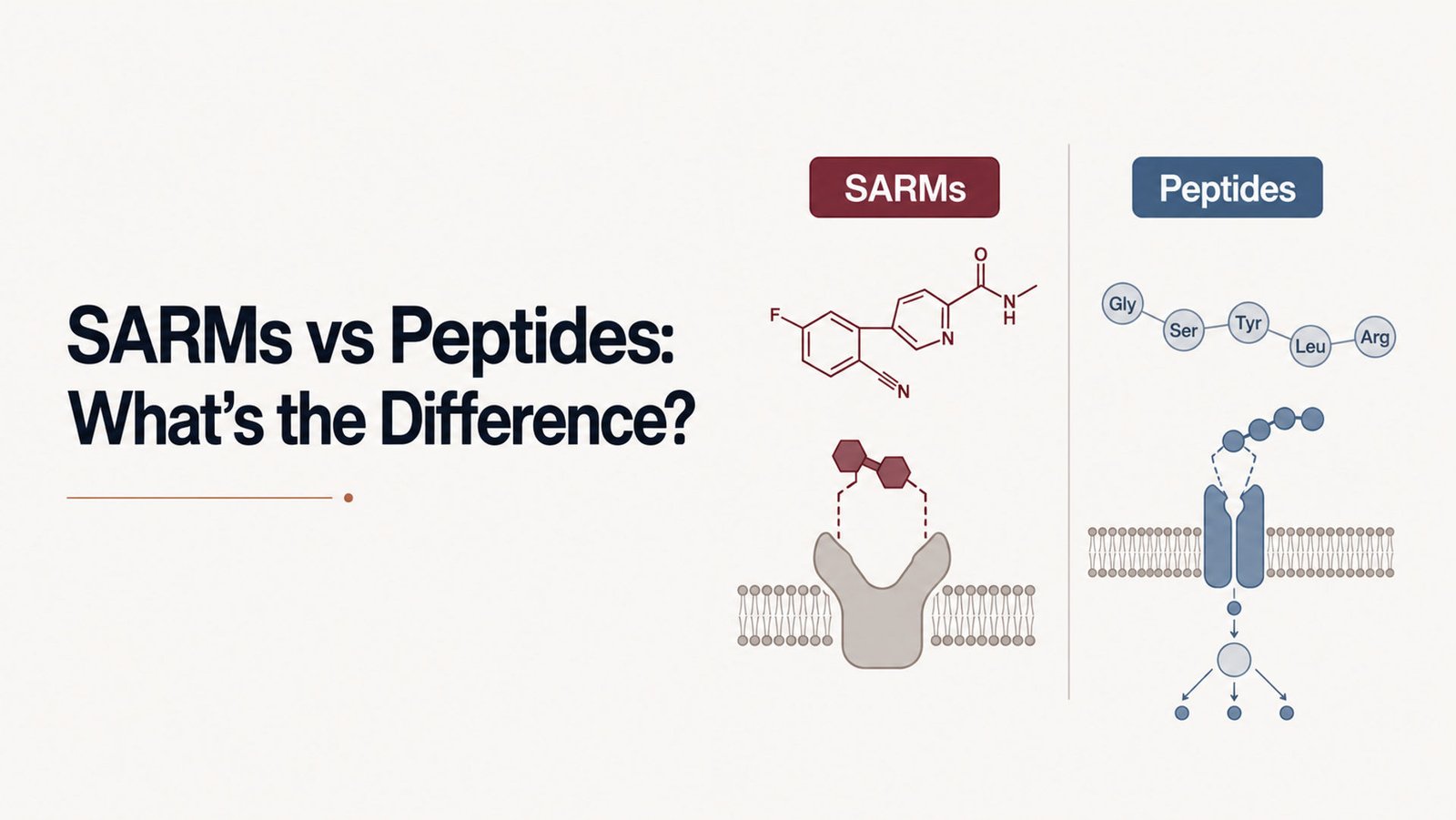
SARMs stands for Selective Androgen Receptor Modulators. These synthetic compounds are designed to interact with androgen receptors in the body.
Androgen receptors respond to hormones such as testosterone and play roles in processes connected with muscle, bone, and other tissues.
Researchers originally studied SARMs for potential medical applications, including conditions related to muscle loss and bone health. However, many SARMs products marketed online remain unapproved for general human use.
Common SARMs discussed online include:
Each SARM has a different chemical structure and may interact with the body differently.
What Are Peptides?
Peptides are short chains of amino acids that act as building blocks of proteins. They naturally exist in the body and participate in various biological processes.
Researchers study peptides across multiple fields, including:
- Medical research
- Skincare
- Biotechnology
- Nutrition
Unlike SARMs, peptides do not work by directly targeting androgen receptors. Instead, they interact with different biological pathways depending on their structure and purpose.
Some common peptide categories include:
- Collagen peptides
- Research peptides
- Cosmetic peptides
- Therapeutic peptides
SARMs vs Peptides: Main Difference
The biggest difference between SARMs and peptides is how they interact with the body.
| SARMs | Peptides |
|---|---|
| Synthetic compounds | Short chains of amino acids |
| Target androgen receptors | Work through different biological pathways |
| Commonly discussed in fitness communities | Used in research, skincare, and medical fields |
| Often associated with muscle-related goals | Used across multiple applications |
Although both categories attract attention online, they are not interchangeable.
How Do SARMs Work?
SARMs work by binding to androgen receptors. These receptors influence biological processes connected to muscle and other tissues.
Because SARMs were designed to act selectively, researchers wanted to understand whether they could provide specific effects while reducing some unwanted effects associated with traditional anabolic steroids.
However, selective activity does not guarantee complete safety. Researchers continue to investigate the long-term effects and risks of SARMs.
How Do Peptides Work?
Peptides work differently from SARMs. Instead of targeting androgen receptors, peptides can influence specific biological signals depending on their structure.
For example, some peptides are studied for:
- Skin-related applications
- Cellular processes
- Tissue research
- Protein-related functions
The effects of peptides depend heavily on the specific peptide being studied or used.
SARMs vs Peptides for Muscle Growth
Muscle growth discussions often include both SARMs and peptides. However, they approach biological processes differently.
SARMs are commonly discussed because of their connection with androgen receptors and muscle-related pathways.
Peptides are often researched for their ability to influence different biological signals.
When comparing SARMs vs Peptides for muscle growth, important factors include:
- Scientific evidence
- Product quality
- Individual health factors
- Legal status
- Potential risks
Online claims about dramatic results should always be viewed carefully because marketing information does not always reflect scientific evidence.
SARMs vs Peptides for Recovery
Recovery is another area where people compare these compounds.
SARMs are often discussed in relation to:
- Training performance
- Muscle maintenance
- Body composition
Peptides are discussed in areas such as:
- Research into recovery pathways
- Skin health
- Biological processes
However, recovery depends on many factors, including:
- Sleep quality
- Nutrition
- Training structure
- Overall health
No compound replaces the basics of a healthy lifestyle.
Are SARMs Safer Than Peptides?
Safety depends on the specific compound, product quality, and intended use.
SARMs may carry concerns such as:
- Hormonal effects
- Liver-related risks
- Unknown long-term outcomes
- Product quality issues
Peptides also require careful consideration because different peptides have different purposes, approval statuses, and safety profiles.
Additionally, products purchased from unreliable online sources may create extra risks because labels and ingredients may not always be accurate.
Are SARMs and Peptides Legal?
The legal status of SARMs and peptides varies depending on the country, product type, and intended use.
In Australia, SARMs are not approved as general fitness supplements. Many products marketed online may not meet Australian regulatory requirements.
Peptides also have different classifications. Some peptide-based products may be approved for specific uses, while others remain limited to research purposes.
Therefore, anyone researching these compounds should understand:
- Local regulations
- Product classification
- Intended purpose
- Safety requirements
Which One Should You Choose: SARMs or Peptides?
There is no simple answer because SARMs and peptides serve different purposes and work differently.
Before considering either category, evaluate:
- Why you are interested in the product
- Whether it is approved for your intended use
- Available scientific evidence
- Possible risks
- Professional guidance
Making decisions based only on online recommendations or influencer content can lead to poor choices.
Frequently Asked Questions About SARMs vs Peptides
Are SARMs and peptides the same thing?
No. SARMs and peptides are different compounds with different structures and mechanisms of action.
Are peptides better than SARMs?
Neither is automatically better. Their purposes, research backgrounds, and safety considerations are different.
Do SARMs work faster than peptides?
The effects depend on the specific compound, individual response, and many other factors. Online claims should be evaluated carefully.
Are SARMs legal in Australia?
SARMs are not approved as general fitness supplements in Australia. Consumers should understand current regulations before researching SARMs products.
Final Thoughts
The comparison between SARMs vs Peptides shows that these compounds are fundamentally different. SARMs interact with androgen receptors, while peptides influence different biological pathways.
Although both topics receive attention in fitness and wellness communities, understanding their differences, legal status, and potential risks is essential.
Before exploring SARMs products, review our Buy SARMs Australia complete guide to better understand regulations, safety considerations, and important factors to consider.
Leave a Reply