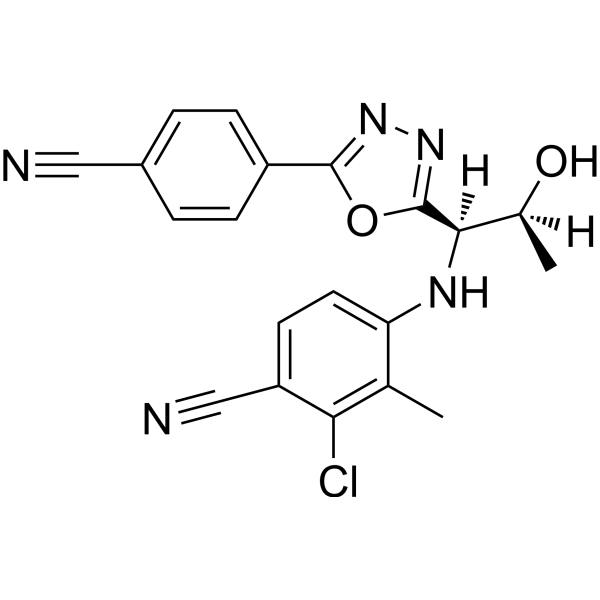
What Is RAD 140? A Comprehensive Guide for Laboratory Research
Scientists actively investigate selective androgen receptor modulators (SARMs) to map tissue-specific signaling pathways. Therefore, understanding what is RAD 140 becomes essential for laboratories exploring targeted androgen receptor activation. Also known in scientific literature as Testolone, this compound serves as a vital investigative tool for researchers studying cellular metabolism and receptor affinity in controlled environments.
The Science Behind RAD-140 Research
Researchers classify RAD-140 as a non-steroidal, investigative chemical compound. Specifically, scientists utilize this molecule to study its high binding affinity for androgen receptors in controlled in vitro and murine models. Consequently, it allows laboratories to observe precise anabolic signaling in specific tissues (such as bone and muscle) without the broad, systemic hormonal interactions associated with traditional steroidal compounds. This targeted selectivity makes it an invaluable asset for mapping complex endocrine pathways.
Why Researchers Study RAD-140 in Preclinical Models
When scientists evaluate tissue-specific therapies, RAD-140 research consistently highlights several key applications:
- First, Bone Density Modeling: Researchers actively utilize this compound to study how targeted androgen receptor activation influences osteoblast activity and bone mineralization in aging murine models.
- Furthermore, Muscle Wasting Research: Scientists observe its capacity to help map cellular mechanisms that prevent lean tissue degradation under induced catabolic stress in vitro.
- Additionally, Receptor Selectivity Mapping: Studies highlight its utility in helping laboratories compare the tissue-specific binding ratios of novel non-steroidal compounds against established benchmarks.
RAD-140 Research Specifications
New Wave Peptides guarantees absolute transparency regarding our research materials. Our investigative RAD-140 meets the following standards:
- Purity: Verified >99% via independent third-party HPLC and Mass Spectrometry testing.
- Appearance: Fine, sterile, lyophilized white powder.
- Storage: Store lyophilized powder in a freezer (-20°C). Once reconstituted for in vitro assays, strictly refrigerate (2°C to 8°C) and utilize promptly to prevent chemical degradation.
Important Research Compliance and Safety
When evaluating investigative compounds, strict adherence to safety protocols is essential. Scientists recognize that RAD-140 is a potent research chemical. Therefore, laboratory personnel must always handle this compound with appropriate personal protective equipment (PPE) in a controlled environment. Furthermore, researchers must consult current, peer-reviewed literature to design safe and effective preclinical study protocols.
Crucially, this compound is supplied strictly for laboratory investigation and is not approved for human or veterinary use.
FAQs
What is the primary research application of RAD-140?
Researchers primarily use it to study targeted androgen receptor activation, tissue-specific signaling, and cellular metabolism in controlled in vitro and murine models.
Is RAD-140 the same as Testolone?
Yes. In scientific literature, RAD-140 is frequently referred to by its developmental code name, Testolone. Both terms describe the same non-steroidal investigative compound.
Is this product intended for human consumption or bodybuilding?
No. New Wave Peptides supplies RAD-140 strictly for in vitro and laboratory research purposes. It is not intended for human consumption, nor does it diagnose, treat, cure, or prevent any disease.
Disclaimer
Please note: New Wave Peptides sells this product strictly for in-vitro and laboratory research purposes. Importantly, this product is not intended for human or animal consumption outside of approved, regulated clinical trials. Furthermore, it does not diagnose, treat, cure, or prevent any disease. Always handle research chemicals with appropriate personal protective equipment (PPE) and consult current scientific literature before beginning any study.
Leave a Reply